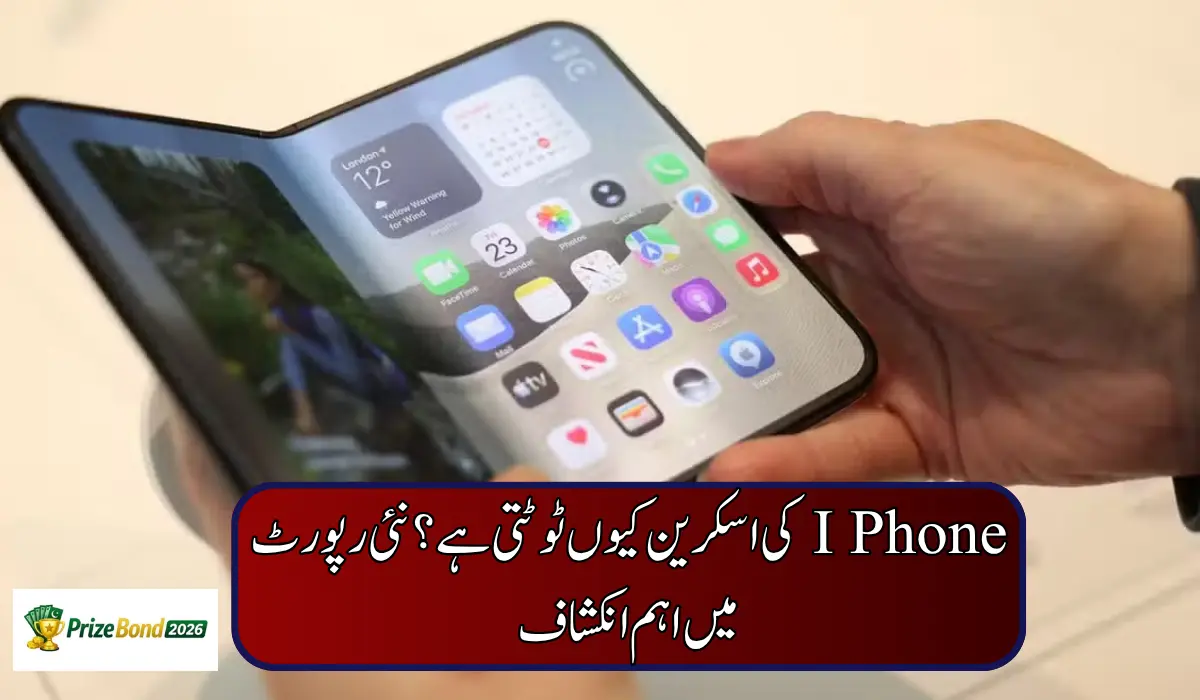
Apple’s first foldable phone, the iPhone Duo, has now been taken apart by repair specialists at iFixit, and the results are a mixed bag. The good news is that it is easier to repair than most rival foldables. The worrying news is that the hinge design may help explain the screen damage some early buyers have been reporting. Here is what the teardown found, what is still unknown, and what it means if you own or plan to buy one.
The short version
- The iPhone Duo scored 5 out of 10 for repairability, higher than the Samsung Galaxy Z Fold8 (4 out of 10) and the older Galaxy Z Fold7 (3 out of 10).
- Several parts can be removed without taking the whole phone apart.
- The hinge is complicated, and it may be linked to the reported screen failures.
- The exact cause has not been confirmed.
What owners have been reporting
Some early buyers say the hinge feels unusually stiff when they open the phone. When extra force is used, they reportedly hear a popping or cracking sound, and the inner screen is permanently damaged. The damage usually appears as a vertical line through the centre of the display and a horizontal line stretching toward the right side.
These are user reports, not a confirmed defect, and it is not known how many phones are affected.

What the teardown found about the hinge
The teardown shows a complex hinge design, and the repair specialists suggest two possible explanations for the failures:
- Parts not moving down correctly. Some components inside the hinge may not be moving downward as they should, which could make the mechanism stick.
- The flexible cable. An accordion-like cable runs through the hinge and could interfere with the folding movement.
Neither explanation has been confirmed. They are theories based on the way the hinge is built, and the real cause is still unknown.
Why the 5 out of 10 repair score is good news
Compared with other foldables, the iPhone Duo is easier to work on:
- The outer display can be removed with a suction clamp and a prying tool.
- Both batteries can be taken out using Apple’s electrically assisted adhesive-release method. A low-voltage power source, such as a 9V battery, is connected to small silver tabs on the battery cells, and the electric current loosens the adhesive that holds them in place.
This makes battery replacement cleaner and safer than prying out glued cells.
How Apple hides the crease
Foldable screens usually show a visible line where they bend. The teardown looked closely at two tricks Apple uses to make it less noticeable:
- A matte nano-texture layer on the inner screen. Under a microscope it is covered with thousands of tiny bumps that scatter reflected light, so the crease catches less glare.
- A modified RGB subpixel layout in the OLED panel. The subpixels sit at different angles, which helps reduce how visible the fold is.
Together they hide the crease. They do not remove it, because the screen still physically folds.
What this means for buyers
- If you already own one: Open and close it gently. If the hinge feels stiff, do not force it. Contact Apple support instead.
- If you are thinking of buying: Foldables are expensive, and early reports of screen damage are a reason to be careful. Waiting for Apple’s response and more user feedback is a reasonable choice.
- Protection: Look into warranty or protection cover before buying. A cracked folding screen can be a costly repair.
- Care: Keep it away from sand and dust, as you would with any foldable.
- Pakistan buyers: If you are buying from a grey-market seller, ask clearly about warranty and what happens if the screen fails. Do not pay in advance.